Buy wnuj.com ?
We are moving the project
wnuj.com .
Are you interested in purchasing the domain
wnuj.com ?
domain@kv-gmbh.de · 0541-91531010
Buy wnuj.com ?
Why do ethers have only weak dipole-dipole interactions?
Ethers have only weak dipole-dipole interactions because the oxygen atom in the ether molecule is less electronegative than the oxygen atom in alcohols or the nitrogen atom in amines. This results in a smaller difference in electronegativity between the oxygen and the carbon atoms in the ether molecule, leading to weaker dipole moments. As a result, the overall dipole-dipole interactions in ethers are weaker compared to molecules with larger electronegativity differences, such as alcohols and amines. **
How do dipole-dipole forces affect the boiling temperature?
Dipole-dipole forces are attractive forces between the positive end of one polar molecule and the negative end of another polar molecule. These forces cause the molecules to be attracted to each other and stick together, making it more difficult for them to break apart and become a gas. As a result, substances with stronger dipole-dipole forces will have higher boiling temperatures because more energy is required to overcome these attractive forces and turn the substance into a gas. Therefore, the presence of dipole-dipole forces can increase the boiling temperature of a substance. **


Similar search terms for Dipole
Top-Angebote
Products related to Dipole:
-
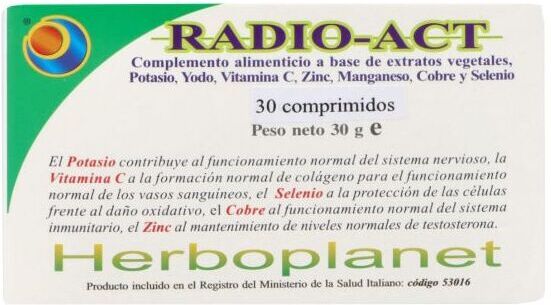
Herboplanet Radio-Act 30 TabletsNutrition and Supplements Vitamins and minerals Herboplanet Radio-Act 30 Tablets Iodine contributes to the normal production of thyroid hormones, normal thyroid function and the normal functioning of the nervous system. Zinc helps maintain normal testosterone levels. Manganese supports the normal formation of connective tissue. Copper contributes to the normal functioning of the immune system. Selenium helps protect cells against oxidative damage. Vitamin C contributes to the normal formation of collagen, to the normal functioning of blood vessels. Instructions for use: Take 1 tablet a day.14,98 £*Shipping: 3,99 £Secure redirect to the provider
-
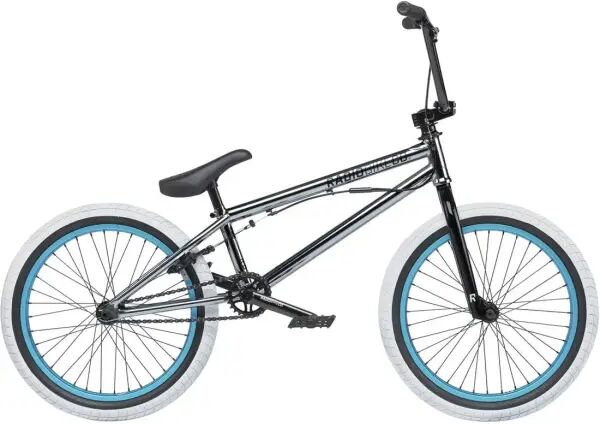
Radio Bike Co Radio Astron FS 20" BMX Stunt Bike (20.6" - Chrome) - Silver - Size: 20.6"The Radio Astron FS is a premium BMX designed for excelling at park riding. This Radio freestyle BMX features a crisp-sounding cassette hub, providing instant pedal engagement. Built with a Chromoly steel frame, this bike ensures maximum durability to handle all your trick impacts. The 3-piece crank is highly durable and simple to maintain, as you can replace any broken part separately Short and responsive crank arms, ideal for technical manoeuvres on your routes Combo seat, where the seat and seat post are integrated for a straightforward and lightweight option Prepared with holes for gyro brake installation, eliminating worries about wires restricting your barspins Includes a U-brake to enhance your safety The handlebar features a 12° back sweep, intended to reduce wrist strain Fitted with standard 20" wheels Notice: The Gyro Brake System is included with the bike.689,95 £*Shipping: 0,00 £Secure redirect to the provider
-
Radio Bike Co Radio Darko 20" BMX Stunt Bike (20.5" - Magic Purple) - Purple - Size: 20.5"The Radio Darko 20" 2023 BMX Freestyle Bike is a premium choice for intermediate riders eager to elevate their abilities. Constructed from chromoly steel and hi-ten steel, this bike is engineered to endure even the toughest tricks. The 20.5" top tube ensures a comfortable and responsive ride, while the two-piece bar, 9" bar height, and 29.5" bar width offer exceptional control. The bars feature a 12° backsweep and 2° upsweep for a natural and comfortable hand position. Designed with a street focus, this bike excels in grinds, manuals, and various street tricks. With a weight of merely 12.15kg, this bike is simple to manoeuvre and control. This bike is ideal for riders striving to advance their skills. Boasting high-quality components and robust construction, the Radio Darko 20" 2023 BMX Freestyle Bike promises endless enjoyment.539,95 £*Shipping: 0,00 £Secure redirect to the provider
-
Radio Bike Co Race BMX Bike Radio Cobalt Pro 2026 (20.75" - Glossy Black) - Black - Size: 20.75"The Radio Cobalt Pro 2026 Race BMX Bike provides an ideal starting point for aspiring racers. Expertly crafted with a lightweight aluminium frame and meticulous geometry, it caters to novices aiming for speed and nimbleness on the circuit. The bike's 20" wheels complement the Hi-ten steel fork, delivering strength and command. Furnished with a V-brake system and three-piece cranks, this BMX is primed for competition. With its partially assembled configuration, setup is simple, enabling you to be on the track swiftly.509,95 £*Shipping: 0,00 £Secure redirect to the provider


-
Why are hydrogen bonds stronger than dipole-dipole interactions?
Hydrogen bonds are stronger than dipole-dipole interactions because they involve a specific interaction between a hydrogen atom and a highly electronegative atom such as oxygen, nitrogen, or fluorine. This creates a strong partial positive charge on the hydrogen atom and a strong partial negative charge on the electronegative atom, leading to a strong attraction between the two. In contrast, dipole-dipole interactions occur between the partial positive and negative charges of polar molecules, which are generally weaker than the specific interaction between a hydrogen atom and a highly electronegative atom in a hydrogen bond. **
-
Is the ammonia molecule a dipole or not a dipole?
The ammonia molecule is a dipole. This is because the molecule has a trigonal pyramidal shape with a lone pair of electrons on the nitrogen atom. The electronegativity difference between nitrogen and hydrogen causes the molecule to have a net dipole moment, with the nitrogen end being partially negative and the hydrogen end being partially positive. This makes ammonia a polar molecule. **
-
Why is CO2 not a dipole and H2O a dipole?
CO2 is not a dipole because it has a linear molecular geometry, meaning the two oxygen atoms are symmetrically arranged around the central carbon atom, resulting in a net dipole moment of zero. On the other hand, H2O is a dipole because it has a bent molecular geometry, causing the oxygen atom to pull the shared electrons closer to itself, resulting in a net dipole moment. This uneven distribution of charge creates a positive end (the hydrogen atoms) and a negative end (the oxygen atom), making H2O a polar molecule. **
-
What is the difference between dipole-dipole forces and hydrogen bonds?
Dipole-dipole forces are attractive forces between the positive end of one polar molecule and the negative end of another polar molecule. These forces occur between any two polar molecules and are relatively weaker than hydrogen bonds. On the other hand, hydrogen bonds are a specific type of dipole-dipole force that occurs between a hydrogen atom bonded to a highly electronegative atom (such as oxygen, nitrogen, or fluorine) and a lone pair of electrons on another highly electronegative atom. This type of bond is stronger than regular dipole-dipole forces and is responsible for the unique properties of water and other molecules with hydrogen bonding. **


When do Van der Waals forces and dipole-dipole interactions occur?
Van der Waals forces occur between all atoms and molecules, regardless of their polarity, due to temporary fluctuations in electron distribution. Dipole-dipole interactions, on the other hand, occur between polar molecules that have a permanent separation of positive and negative charges. Both types of interactions are important in determining the physical properties of substances, such as their boiling and melting points, and play a significant role in the behavior of gases, liquids, and solids. **
What is the difference between hydrogen bonding and dipole-dipole interactions?
Hydrogen bonding is a specific type of dipole-dipole interaction that occurs between a hydrogen atom bonded to a highly electronegative atom (such as oxygen, nitrogen, or fluorine) and another electronegative atom in a different molecule. This type of interaction is stronger than regular dipole-dipole interactions because of the large electronegativity difference between the hydrogen and the other atom, resulting in a stronger attraction between the molecules. In contrast, dipole-dipole interactions occur between the positive end of one polar molecule and the negative end of another polar molecule, but do not involve a hydrogen atom bonded to a highly electronegative atom. **
Top-Angebote
Products related to Dipole:
-
Roku HD Streaming StickTransform any TV into America’s #1 streaming platform with the Roku Streaming Stick HD. Enjoy quick access to 500+ free HD channels, including live news, sports, weather, and more — all from a sleek, compact device that stays out of sight. Key Features TV Streaming Made Easy: Explore popular apps, free movies, shows, and live TV effortlessly. Streaming has never been simpler or more fun. Compact Design, No Compromises: The stick’s slim design won’t block adjacent HDMI ports and even powers directly from your TV — no wall outlet or extra cords needed. All-in-One Remote: Control your TV and Roku device with a single remote. Adjust volume, power on/off, and search using voice commands. Portable Entertainment: Take your favorite shows with you while traveling without needing to log in on other devices. Bluetooth Headphone Mode: Stream privately by pairing your headphones directly to the Roku Streaming Stick. Apps & Entertainment BBC iPlayer All 4 Netflix Amazon Prime Video YouTube Apple TV+ Disney+ Vimeo Movie rentals Interfaces & Connectivity Wi-Fi enabled General Information Remote control included Compatible with HD TVs EAN: 82961000844827,99 £*Shipping: 0,00 £Secure redirect to the provider
-
Herboplanet Radio-Act 30 TabletsNutrition and Supplements Vitamins and minerals Herboplanet Radio-Act 30 Tablets Iodine contributes to the normal production of thyroid hormones, normal thyroid function and the normal functioning of the nervous system. Zinc helps maintain normal testosterone levels. Manganese supports the normal formation of connective tissue. Copper contributes to the normal functioning of the immune system. Selenium helps protect cells against oxidative damage. Vitamin C contributes to the normal formation of collagen, to the normal functioning of blood vessels. Instructions for use: Take 1 tablet a day.14,98 £*Shipping: 3,99 £Secure redirect to the provider
-
Radio Bike Co Radio Astron FS 20" BMX Stunt Bike (20.6" - Chrome) - Silver - Size: 20.6"The Radio Astron FS is a premium BMX designed for excelling at park riding. This Radio freestyle BMX features a crisp-sounding cassette hub, providing instant pedal engagement. Built with a Chromoly steel frame, this bike ensures maximum durability to handle all your trick impacts. The 3-piece crank is highly durable and simple to maintain, as you can replace any broken part separately Short and responsive crank arms, ideal for technical manoeuvres on your routes Combo seat, where the seat and seat post are integrated for a straightforward and lightweight option Prepared with holes for gyro brake installation, eliminating worries about wires restricting your barspins Includes a U-brake to enhance your safety The handlebar features a 12° back sweep, intended to reduce wrist strain Fitted with standard 20" wheels Notice: The Gyro Brake System is included with the bike.689,95 £*Shipping: 0,00 £Secure redirect to the provider
-
Why do ethers have only weak dipole-dipole interactions?
Ethers have only weak dipole-dipole interactions because the oxygen atom in the ether molecule is less electronegative than the oxygen atom in alcohols or the nitrogen atom in amines. This results in a smaller difference in electronegativity between the oxygen and the carbon atoms in the ether molecule, leading to weaker dipole moments. As a result, the overall dipole-dipole interactions in ethers are weaker compared to molecules with larger electronegativity differences, such as alcohols and amines. **
-
How do dipole-dipole forces affect the boiling temperature?
Dipole-dipole forces are attractive forces between the positive end of one polar molecule and the negative end of another polar molecule. These forces cause the molecules to be attracted to each other and stick together, making it more difficult for them to break apart and become a gas. As a result, substances with stronger dipole-dipole forces will have higher boiling temperatures because more energy is required to overcome these attractive forces and turn the substance into a gas. Therefore, the presence of dipole-dipole forces can increase the boiling temperature of a substance. **
-
Why are hydrogen bonds stronger than dipole-dipole interactions?
Hydrogen bonds are stronger than dipole-dipole interactions because they involve a specific interaction between a hydrogen atom and a highly electronegative atom such as oxygen, nitrogen, or fluorine. This creates a strong partial positive charge on the hydrogen atom and a strong partial negative charge on the electronegative atom, leading to a strong attraction between the two. In contrast, dipole-dipole interactions occur between the partial positive and negative charges of polar molecules, which are generally weaker than the specific interaction between a hydrogen atom and a highly electronegative atom in a hydrogen bond. **
-
Is the ammonia molecule a dipole or not a dipole?
The ammonia molecule is a dipole. This is because the molecule has a trigonal pyramidal shape with a lone pair of electrons on the nitrogen atom. The electronegativity difference between nitrogen and hydrogen causes the molecule to have a net dipole moment, with the nitrogen end being partially negative and the hydrogen end being partially positive. This makes ammonia a polar molecule. **
Similar search terms for Dipole
-
Radio Bike Co Radio Darko 20" BMX Stunt Bike (20.5" - Magic Purple) - Purple - Size: 20.5"The Radio Darko 20" 2023 BMX Freestyle Bike is a premium choice for intermediate riders eager to elevate their abilities. Constructed from chromoly steel and hi-ten steel, this bike is engineered to endure even the toughest tricks. The 20.5" top tube ensures a comfortable and responsive ride, while the two-piece bar, 9" bar height, and 29.5" bar width offer exceptional control. The bars feature a 12° backsweep and 2° upsweep for a natural and comfortable hand position. Designed with a street focus, this bike excels in grinds, manuals, and various street tricks. With a weight of merely 12.15kg, this bike is simple to manoeuvre and control. This bike is ideal for riders striving to advance their skills. Boasting high-quality components and robust construction, the Radio Darko 20" 2023 BMX Freestyle Bike promises endless enjoyment.539,95 £*Shipping: 0,00 £Secure redirect to the provider
-
Radio Bike Co Race BMX Bike Radio Cobalt Pro 2026 (20.75" - Glossy Black) - Black - Size: 20.75"The Radio Cobalt Pro 2026 Race BMX Bike provides an ideal starting point for aspiring racers. Expertly crafted with a lightweight aluminium frame and meticulous geometry, it caters to novices aiming for speed and nimbleness on the circuit. The bike's 20" wheels complement the Hi-ten steel fork, delivering strength and command. Furnished with a V-brake system and three-piece cranks, this BMX is primed for competition. With its partially assembled configuration, setup is simple, enabling you to be on the track swiftly.509,95 £*Shipping: 0,00 £Secure redirect to the provider
-
LightInthebox Alarm Clock Radio for Bedrooms Clock Radio with AM/FM Dual Alarm with Voice Control Temperature and Humidity Conversion USB Charger Sleep Timer Digital Clock RadioQuantity:1PC; Type:Decorative Lights; Power Supply:Other Battery Powered; Listing Date:01/26/202659,99 $*Shipping: 7,94 $Secure redirect to the provider
-
Why is CO2 not a dipole and H2O a dipole?
CO2 is not a dipole because it has a linear molecular geometry, meaning the two oxygen atoms are symmetrically arranged around the central carbon atom, resulting in a net dipole moment of zero. On the other hand, H2O is a dipole because it has a bent molecular geometry, causing the oxygen atom to pull the shared electrons closer to itself, resulting in a net dipole moment. This uneven distribution of charge creates a positive end (the hydrogen atoms) and a negative end (the oxygen atom), making H2O a polar molecule. **
-
What is the difference between dipole-dipole forces and hydrogen bonds?
Dipole-dipole forces are attractive forces between the positive end of one polar molecule and the negative end of another polar molecule. These forces occur between any two polar molecules and are relatively weaker than hydrogen bonds. On the other hand, hydrogen bonds are a specific type of dipole-dipole force that occurs between a hydrogen atom bonded to a highly electronegative atom (such as oxygen, nitrogen, or fluorine) and a lone pair of electrons on another highly electronegative atom. This type of bond is stronger than regular dipole-dipole forces and is responsible for the unique properties of water and other molecules with hydrogen bonding. **
-
When do Van der Waals forces and dipole-dipole interactions occur?
Van der Waals forces occur between all atoms and molecules, regardless of their polarity, due to temporary fluctuations in electron distribution. Dipole-dipole interactions, on the other hand, occur between polar molecules that have a permanent separation of positive and negative charges. Both types of interactions are important in determining the physical properties of substances, such as their boiling and melting points, and play a significant role in the behavior of gases, liquids, and solids. **
-
What is the difference between hydrogen bonding and dipole-dipole interactions?
Hydrogen bonding is a specific type of dipole-dipole interaction that occurs between a hydrogen atom bonded to a highly electronegative atom (such as oxygen, nitrogen, or fluorine) and another electronegative atom in a different molecule. This type of interaction is stronger than regular dipole-dipole interactions because of the large electronegativity difference between the hydrogen and the other atom, resulting in a stronger attraction between the molecules. In contrast, dipole-dipole interactions occur between the positive end of one polar molecule and the negative end of another polar molecule, but do not involve a hydrogen atom bonded to a highly electronegative atom. **
* All prices are inclusive of VAT and, if applicable, plus shipping costs. The offer information is based on the details provided by the respective shop and is updated through automated processes. Real-time updates do not occur, so deviations can occur in individual cases. ** Note: Parts of this content were created by AI.