Buy wnuj.com ?
We are moving the project
wnuj.com .
Are you interested in purchasing the domain
wnuj.com ?
domain@kv-gmbh.de · 0541-91531010
Buy wnuj.com ?
Do news anchors have emotions?
Yes, news anchors are human beings and therefore have emotions. However, they are trained to maintain a professional demeanor while delivering the news. This means that they are able to control their emotions and present information in a neutral and objective manner. While they may feel emotions such as empathy or concern for the stories they are reporting on, they are expected to remain composed and focused on delivering the news accurately. **
Do news presenters show emotions?
News presenters are expected to maintain a neutral and professional demeanor while delivering the news. They are trained to control their emotions and present information in an unbiased manner. However, there are instances where news presenters may show emotions, such as during coverage of tragic events or when reporting on personal stories that evoke strong emotions. Overall, news presenters strive to remain composed and objective while delivering the news to the audience. **

Similar search terms for Emotions
Top-Angebote
Products related to Emotions:
-
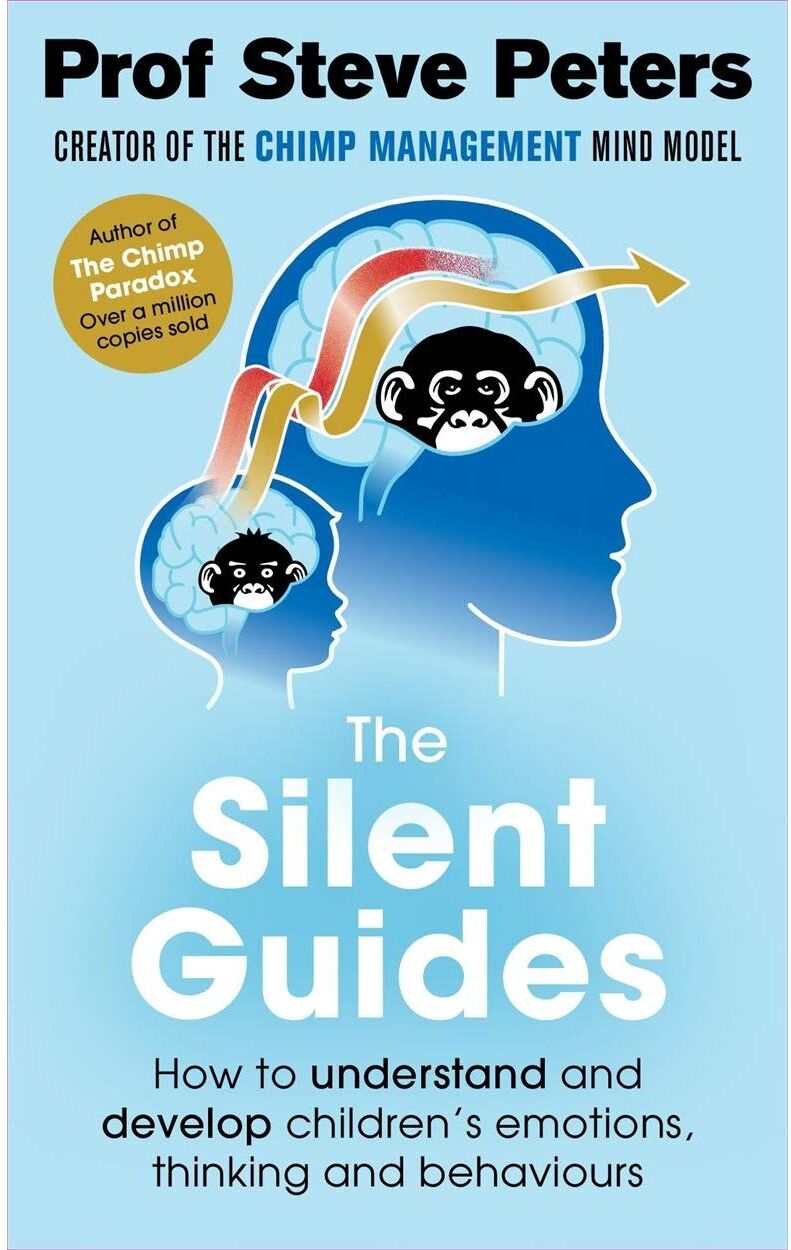
Lagom The Silent Guides: How to understand and develop children's emotions, thinking and behavioursThe Silent Guides: How to understand and develop children's emotions, thinking and behaviours FROM THE AUTHOR OF THE MILLION-COPY SELLING The Chimp ParadoxHow can we help our children:· become more resilient?· get over mistakes?· develop a positive outlook?And, what can we do to become better role models?Prof Steve Peters uses his Chimp Mind Management Model to help parents, teachers and carers understand the neuroscience behind unconscious beliefs and habits that may be silently guiding children's emotions, thinking and behaviours. The Silent Guides explores ten positive habits and many related themes taken from the children's educational book My Hidden Chimp. Prof Steve Peters helps challenge unhelpful behaviours such as:· being overly self-critical· fear of failure· low self-esteem8,99 £*Shipping: 2,99 £Secure redirect to the provider
-
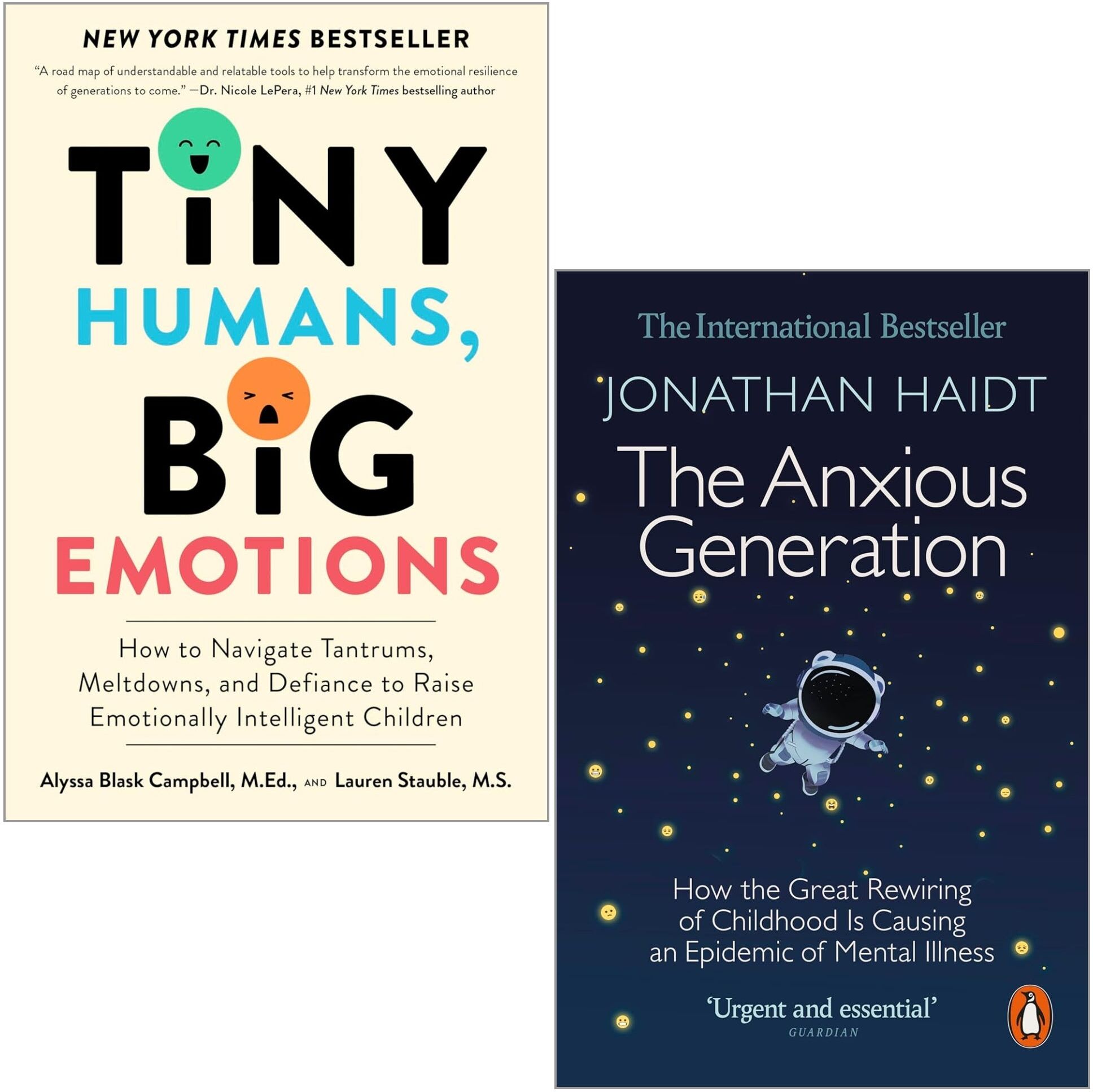
Harvent/Penguin Tiny Humans, Big Emotions and The Anxious Generation 2 Books Collection SetTiny Humans, Big Emotions and The Anxious Generation 2 Books Collection Set Tiny Humans, Big Emotions by Alyssa Blask Campbell, Lauren Elizabeth Stauble The Future is Emotionally Intelligent From two early childhood experts, an essential parenting guide for toddler behavior that empowers parents to help their little ones navigate their big feelings—including tantrums, outbursts, and separation anxiety—while laying the groundwork for a lifetime of emotional intelligence. We’re in the midst of a parenting revolution that is radically changing the way we raise our kids. Gone are the days of minimizing emotions: Don’t Cry. You’re Fine. Don’t Make a Scene. As our understanding of developing brains has increased, today’s parents are embracing conscious parenting and looking for a new way to help their children understand their feelings and learn to process them. The Anxious Generation by Jonathan Haidt Acclaimed psychologist Jonathan Haidt reveals how the decline of free-play in childhood and the rise of smartphone use among adolescents is changing our world From 2010, as teens traded in their flip phones for smartphones packed with social media apps, unsupervised time online soared while face-to-face conversations with friends and family plummeted, and so did mental health. This profound shift took place against a backdrop of diminishing childhood freedom and over-supervision in the real world, depriving children of the experiences they most need to become strong and self-governing adults.14,99 £*Shipping: 2,99 £Secure redirect to the provider
-
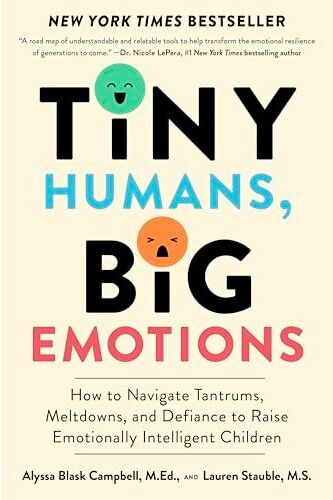
Harvest Tiny Humans, Big Emotions: How to Navigate Tantrums, Meltdowns, and Defiance to Raise Emotionally Intelligent ChildrenThe Future is Emotionally Intelligent From two early childhood experts, an essential parenting guide for toddler behavior that empowers parents to help their little ones navigate their big feelings—including tantrums, outbursts, and separation anxiety—while laying the groundwork for a lifetime of emotional intelligence. We’re in the midst of a parenting revolution that is radically changing the way we raise our kids. Gone are the days of minimizing emotions: Don’t Cry. You’re Fine. Don’t Make a Scene. As our understanding of developing brains has increased, today’s parents are embracing conscious parenting and looking for a new way to help their children understand their feelings and learn to process them. Emotional development experts Alyssa Blask Campbell, M.Ed. and Lauren Stauble M.S. are at the forefront of a movement to foster little ones’ emotional intelligence. Their revolutionary Collaborative Emotion Processing (CEP) method has been a game changer for parents and educators, and now they are sharing it with readers in this indispensable guide. Tiny Humans, Big Emotions provides the tools to tackle every sort of stressful child-rearing situation, including: • What to do when your child throws a tantrum (it's not what you think!) • Helpful scripts to handle any challenging moment like school refusal and bedtime resistance • How to react when your child hits, punches, or bites • Easy tips that help regulate your child’s nervous system • How to anticipate and end meltdowns before they even begin Designed for all humans—tiny and big—this book shows caregivers of children how to handle challenging behaviors and outbursts while empowering them to recognize and manage difficult feelings like anger, sadness, and shame, along with anxiety. All caregivers will find valuable insights and guidance in this book, especially those caring for children from infancy to age eight. Tiny Humans, Big Emotions equips adults with tools for emotional intelligence so they can respond with intention. This innovative, research-based approach teaches children self-regulation, empathy, and effective coping strategies, even as it strengthens the parent-child relationship, setting the groundwork for a lifetime of emotional resilience and wellbeing. This book is an essential, empathetic guide for gentle parenting that will teach parents to notice their own habits and hold space for their tiny human's big emotions.5,99 £*Shipping: 2,99 £Secure redirect to the provider
-
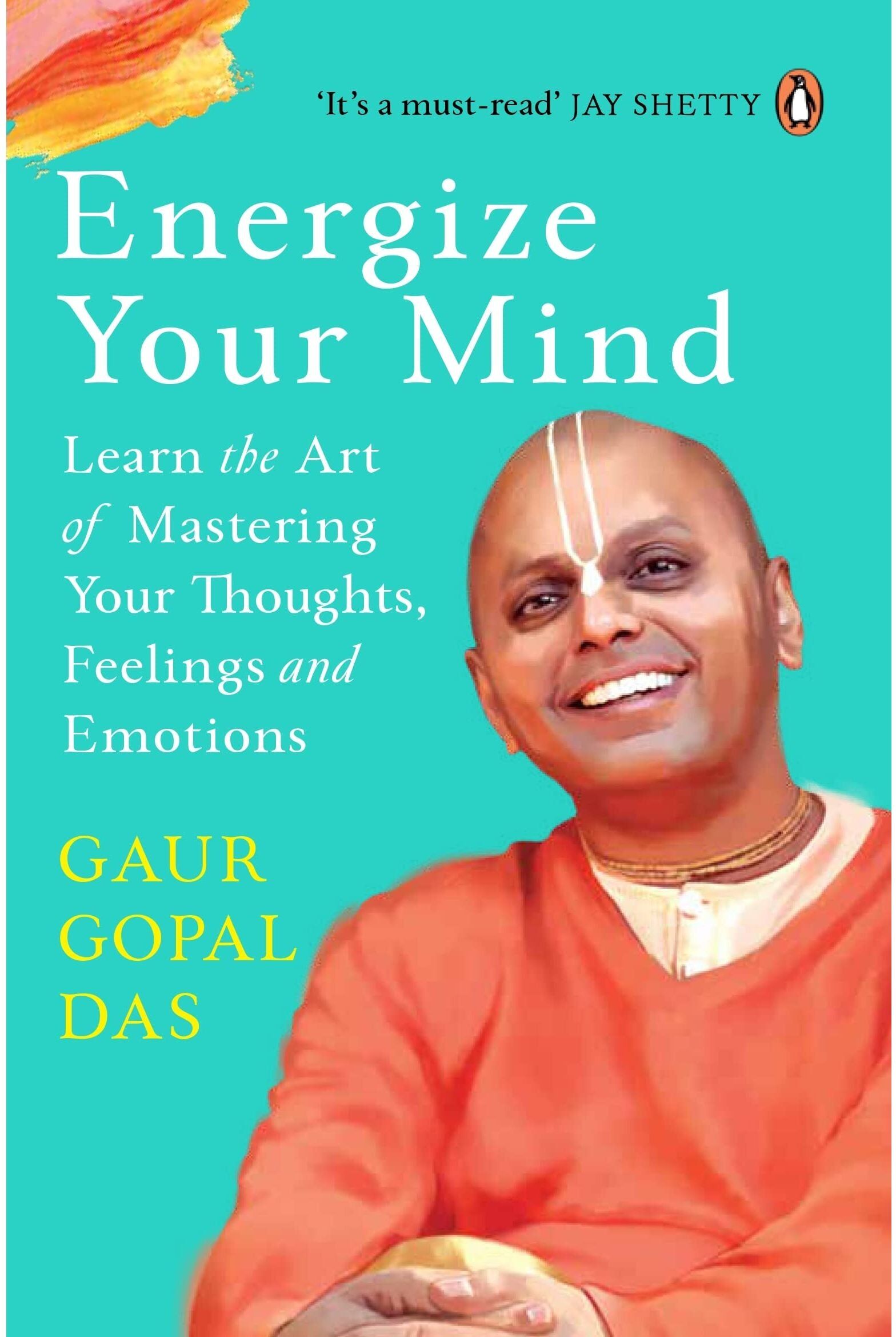
Penguin Energize Your Mind: Learn the Art of Mastering Your Thoughts, Feelings and Emotions by Gaur Gopal DasIn this book, bestselling author and life coach Gaur Gopal Das decodes how the mind works. He combines his anecdotal style with analytical research to teach us how to discipline our mind for our greater well-being. Throughout this book, he provides interactive exercises, meditation techniques and worksheets to help us take charge of our mind. This book is an essential read for anyone who wants to work towards a better, more fulfilling future for themselves.6,99 £*Shipping: 2,99 £Secure redirect to the provider
-
Does music evoke emotions in you?
Yes, music definitely evokes emotions in me. Depending on the type of music and the lyrics, I can feel a range of emotions such as happiness, sadness, excitement, or nostalgia. Certain songs have the power to transport me to specific memories or moments in my life, triggering strong emotional responses. Music has the ability to connect with our emotions in a unique and powerful way, making it a universal language that can deeply impact our mood and feelings. **
-
Are TV and radio stations obligated to broadcast news?
TV and radio stations are not legally obligated to broadcast news, but many choose to do so as part of their commitment to serving the public interest. In some countries, there may be regulations or licensing requirements that mandate a certain amount of news programming, but this varies by jurisdiction. Ultimately, the decision to include news in their programming is up to the individual stations and their management. **
-
What feelings and emotions can music evoke?
Music has the power to evoke a wide range of feelings and emotions, including joy, sadness, excitement, nostalgia, and tranquility. The melody, rhythm, and lyrics of a song can trigger memories and associations, leading to a deep emotional response. Music can also create a sense of connection and empathy, as well as provide a cathartic release for pent-up emotions. Overall, music has the ability to deeply affect our mood and emotional state, making it a powerful tool for self-expression and emotional connection. **
-
How can one express emotions with music?
Music has the power to convey a wide range of emotions through various elements such as tempo, melody, harmony, and lyrics. For example, a fast tempo and upbeat melody can express joy and excitement, while a slow tempo and minor key can evoke feelings of sadness or melancholy. Additionally, the use of dynamics, instrumentation, and vocal delivery can also help to convey different emotions in music. Overall, by carefully selecting and manipulating these musical elements, composers and musicians can effectively express and evoke a wide range of emotions in their music. **

When do people only experience emotions with music?
People only experience emotions with music when they have a personal connection to the song or when the music resonates with their current mood or emotions. Additionally, people may only experience emotions with music when they are actively listening and engaging with the music, rather than just having it on in the background. Finally, some people may only experience emotions with music when they are in a vulnerable or introspective state, allowing the music to evoke strong emotional responses. **
Are emotions irrational?
Emotions are not inherently irrational, as they are a natural and important part of human experience. Emotions can be influenced by our thoughts, beliefs, and past experiences, but they also serve important functions in guiding our behavior and decision-making. While emotions can sometimes lead to irrational behavior, they can also provide valuable information about our needs and desires. It is important to acknowledge and understand our emotions in order to make rational decisions and effectively navigate our relationships and experiences. **
Top-Angebote
Products related to Emotions:
-
Plannatur Emotions Level 60 TabletsNutrition and Supplements Natural Extracts Plannatur Emotions Level 60 Tablets Supplement based on substances that have associated adaptogenic properties such as rhodiola. Vitamin C helps reduce tiredness and fatigue. Instructions for use: Take 1 to 2 tablets a day, one at breakfast and one at lunch.18,07 £*Shipping: 3,99 £Secure redirect to the provider
-
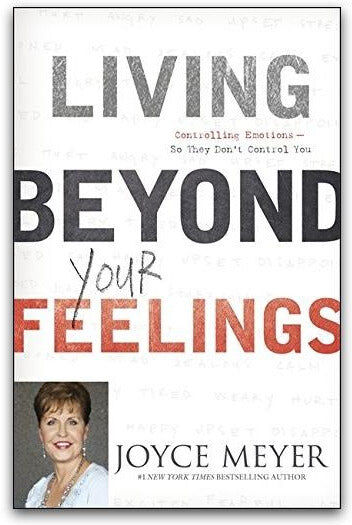
Hodder & Stoughton Living Beyond Your Feelings : Controlling Emotions So They Don't Control YouThe average person has 70,000 thoughts every day, and many of those thoughts trigger a corresponding emotion. No wonder so many of us often feel like we're controlled by our emotions. Our lives would be much improved if we controlled them.In LIVING BEYOND YOUR FEELINGS, Joyce Meyer examines the gamut of feelings that human beings experience. She discusses the way that the brain processes and stores memories and thoughts, and then - emotion by emotion - she explains how we can manage our reactions to those emotions. Through this, she gives the reader a toolbox for managing the way we react to the onslaught of feelings that can wreak havoc on our lives.5,79 £*Shipping: 2,99 £Secure redirect to the provider
-
Lagom The Silent Guides: How to understand and develop children's emotions, thinking and behavioursThe Silent Guides: How to understand and develop children's emotions, thinking and behaviours FROM THE AUTHOR OF THE MILLION-COPY SELLING The Chimp ParadoxHow can we help our children:· become more resilient?· get over mistakes?· develop a positive outlook?And, what can we do to become better role models?Prof Steve Peters uses his Chimp Mind Management Model to help parents, teachers and carers understand the neuroscience behind unconscious beliefs and habits that may be silently guiding children's emotions, thinking and behaviours. The Silent Guides explores ten positive habits and many related themes taken from the children's educational book My Hidden Chimp. Prof Steve Peters helps challenge unhelpful behaviours such as:· being overly self-critical· fear of failure· low self-esteem8,99 £*Shipping: 2,99 £Secure redirect to the provider
-
Harvent/Penguin Tiny Humans, Big Emotions and The Anxious Generation 2 Books Collection SetTiny Humans, Big Emotions and The Anxious Generation 2 Books Collection Set Tiny Humans, Big Emotions by Alyssa Blask Campbell, Lauren Elizabeth Stauble The Future is Emotionally Intelligent From two early childhood experts, an essential parenting guide for toddler behavior that empowers parents to help their little ones navigate their big feelings—including tantrums, outbursts, and separation anxiety—while laying the groundwork for a lifetime of emotional intelligence. We’re in the midst of a parenting revolution that is radically changing the way we raise our kids. Gone are the days of minimizing emotions: Don’t Cry. You’re Fine. Don’t Make a Scene. As our understanding of developing brains has increased, today’s parents are embracing conscious parenting and looking for a new way to help their children understand their feelings and learn to process them. The Anxious Generation by Jonathan Haidt Acclaimed psychologist Jonathan Haidt reveals how the decline of free-play in childhood and the rise of smartphone use among adolescents is changing our world From 2010, as teens traded in their flip phones for smartphones packed with social media apps, unsupervised time online soared while face-to-face conversations with friends and family plummeted, and so did mental health. This profound shift took place against a backdrop of diminishing childhood freedom and over-supervision in the real world, depriving children of the experiences they most need to become strong and self-governing adults.14,99 £*Shipping: 2,99 £Secure redirect to the provider
-
Do news anchors have emotions?
Yes, news anchors are human beings and therefore have emotions. However, they are trained to maintain a professional demeanor while delivering the news. This means that they are able to control their emotions and present information in a neutral and objective manner. While they may feel emotions such as empathy or concern for the stories they are reporting on, they are expected to remain composed and focused on delivering the news accurately. **
-
Do news presenters show emotions?
News presenters are expected to maintain a neutral and professional demeanor while delivering the news. They are trained to control their emotions and present information in an unbiased manner. However, there are instances where news presenters may show emotions, such as during coverage of tragic events or when reporting on personal stories that evoke strong emotions. Overall, news presenters strive to remain composed and objective while delivering the news to the audience. **
-
Does music evoke emotions in you?
Yes, music definitely evokes emotions in me. Depending on the type of music and the lyrics, I can feel a range of emotions such as happiness, sadness, excitement, or nostalgia. Certain songs have the power to transport me to specific memories or moments in my life, triggering strong emotional responses. Music has the ability to connect with our emotions in a unique and powerful way, making it a universal language that can deeply impact our mood and feelings. **
-
Are TV and radio stations obligated to broadcast news?
TV and radio stations are not legally obligated to broadcast news, but many choose to do so as part of their commitment to serving the public interest. In some countries, there may be regulations or licensing requirements that mandate a certain amount of news programming, but this varies by jurisdiction. Ultimately, the decision to include news in their programming is up to the individual stations and their management. **
Similar search terms for Emotions
-
Harvest Tiny Humans, Big Emotions: How to Navigate Tantrums, Meltdowns, and Defiance to Raise Emotionally Intelligent ChildrenThe Future is Emotionally Intelligent From two early childhood experts, an essential parenting guide for toddler behavior that empowers parents to help their little ones navigate their big feelings—including tantrums, outbursts, and separation anxiety—while laying the groundwork for a lifetime of emotional intelligence. We’re in the midst of a parenting revolution that is radically changing the way we raise our kids. Gone are the days of minimizing emotions: Don’t Cry. You’re Fine. Don’t Make a Scene. As our understanding of developing brains has increased, today’s parents are embracing conscious parenting and looking for a new way to help their children understand their feelings and learn to process them. Emotional development experts Alyssa Blask Campbell, M.Ed. and Lauren Stauble M.S. are at the forefront of a movement to foster little ones’ emotional intelligence. Their revolutionary Collaborative Emotion Processing (CEP) method has been a game changer for parents and educators, and now they are sharing it with readers in this indispensable guide. Tiny Humans, Big Emotions provides the tools to tackle every sort of stressful child-rearing situation, including: • What to do when your child throws a tantrum (it's not what you think!) • Helpful scripts to handle any challenging moment like school refusal and bedtime resistance • How to react when your child hits, punches, or bites • Easy tips that help regulate your child’s nervous system • How to anticipate and end meltdowns before they even begin Designed for all humans—tiny and big—this book shows caregivers of children how to handle challenging behaviors and outbursts while empowering them to recognize and manage difficult feelings like anger, sadness, and shame, along with anxiety. All caregivers will find valuable insights and guidance in this book, especially those caring for children from infancy to age eight. Tiny Humans, Big Emotions equips adults with tools for emotional intelligence so they can respond with intention. This innovative, research-based approach teaches children self-regulation, empathy, and effective coping strategies, even as it strengthens the parent-child relationship, setting the groundwork for a lifetime of emotional resilience and wellbeing. This book is an essential, empathetic guide for gentle parenting that will teach parents to notice their own habits and hold space for their tiny human's big emotions.5,99 £*Shipping: 2,99 £Secure redirect to the provider
-
Penguin Energize Your Mind: Learn the Art of Mastering Your Thoughts, Feelings and Emotions by Gaur Gopal DasIn this book, bestselling author and life coach Gaur Gopal Das decodes how the mind works. He combines his anecdotal style with analytical research to teach us how to discipline our mind for our greater well-being. Throughout this book, he provides interactive exercises, meditation techniques and worksheets to help us take charge of our mind. This book is an essential read for anyone who wants to work towards a better, more fulfilling future for themselves.6,99 £*Shipping: 2,99 £Secure redirect to the provider
-
Rupa Publications What Feeling Is That? by Moonstone - Board Book - Ages 1-4 - Toddler Emotions & Feelings First BookWhat Feeling Is That? by Moonstone is a bright, sturdy board book that introduces toddlers to the world of emotions. Through simple everyday scenes and gentle prompts, little readers are encouraged to point, name, and talk about how people might be feeling. This 24-page board book is perfect for shared reading, helping to build vocabulary and confidence from the very first page. Published by Rupa Publications, it's a great way to teach young children to recognize and name feelings in a fun and interactive way.2,99 £*Shipping: 2,99 £Secure redirect to the provider
-
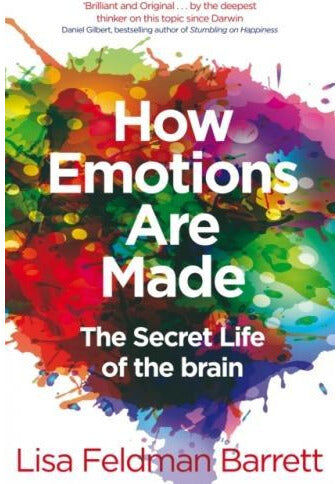
MACMILLAN How Emotions Are Made – The Secret Life of the Brain by Lisa Feldman Barrett Neuroscience & Psychology BestsellerDiscover a groundbreaking new understanding of the human mind with How Emotions Are Made: The Secret Life of the Brain by Lisa Feldman Barrett. Challenging long-held beliefs about how emotions work, neuroscientist Lisa Feldman Barrett presents a revolutionary theory explaining that emotions are not universal reactions, but are actively constructed by the brain. Drawing on cutting-edge research in psychology and neuroscience, the book reveals how the brain predicts, interprets, and shapes our emotional experiences. Written in an accessible and engaging style, this bestseller reshapes how we think about feelings, decision-making, mental health, and human behavior. It’s essential reading for anyone interested in psychology, neuroscience, self-understanding, and emotional intelligence. Why Readers Love This Book: Revolutionary insights into how emotions are created Based on modern neuroscience research Accessible explanations for general readers Practical implications for mental well-being Ideal for psychology and science enthusiasts A thought-provoking exploration of the brain, How Emotions Are Made changes how we understand what it means to feel.3,99 £*Shipping: 1,99 £Secure redirect to the provider
-
What feelings and emotions can music evoke?
Music has the power to evoke a wide range of feelings and emotions, including joy, sadness, excitement, nostalgia, and tranquility. The melody, rhythm, and lyrics of a song can trigger memories and associations, leading to a deep emotional response. Music can also create a sense of connection and empathy, as well as provide a cathartic release for pent-up emotions. Overall, music has the ability to deeply affect our mood and emotional state, making it a powerful tool for self-expression and emotional connection. **
-
How can one express emotions with music?
Music has the power to convey a wide range of emotions through various elements such as tempo, melody, harmony, and lyrics. For example, a fast tempo and upbeat melody can express joy and excitement, while a slow tempo and minor key can evoke feelings of sadness or melancholy. Additionally, the use of dynamics, instrumentation, and vocal delivery can also help to convey different emotions in music. Overall, by carefully selecting and manipulating these musical elements, composers and musicians can effectively express and evoke a wide range of emotions in their music. **
-
When do people only experience emotions with music?
People only experience emotions with music when they have a personal connection to the song or when the music resonates with their current mood or emotions. Additionally, people may only experience emotions with music when they are actively listening and engaging with the music, rather than just having it on in the background. Finally, some people may only experience emotions with music when they are in a vulnerable or introspective state, allowing the music to evoke strong emotional responses. **
-
Are emotions irrational?
Emotions are not inherently irrational, as they are a natural and important part of human experience. Emotions can be influenced by our thoughts, beliefs, and past experiences, but they also serve important functions in guiding our behavior and decision-making. While emotions can sometimes lead to irrational behavior, they can also provide valuable information about our needs and desires. It is important to acknowledge and understand our emotions in order to make rational decisions and effectively navigate our relationships and experiences. **
* All prices are inclusive of VAT and, if applicable, plus shipping costs. The offer information is based on the details provided by the respective shop and is updated through automated processes. Real-time updates do not occur, so deviations can occur in individual cases. ** Note: Parts of this content were created by AI.