Buy wnuj.com ?
We are moving the project
wnuj.com .
Are you interested in purchasing the domain
wnuj.com ?
domain@kv-gmbh.de · 0541-91531010
Buy wnuj.com ?
How does investing in bonds differ from investing in a bank account?
Investing in bonds involves purchasing debt securities issued by governments or corporations, which pay a fixed interest rate over a specified period of time. In contrast, investing in a bank account typically involves depositing money into a savings or checking account, where it earns a variable interest rate set by the bank. Bonds generally offer higher potential returns than bank accounts, but they also carry a higher level of risk. Additionally, bonds have a maturity date, while bank accounts provide more immediate access to funds. **
Are TV and radio stations obligated to broadcast news?
TV and radio stations are not legally obligated to broadcast news, but many choose to do so as part of their commitment to serving the public interest. In some countries, there may be regulations or licensing requirements that mandate a certain amount of news programming, but this varies by jurisdiction. Ultimately, the decision to include news in their programming is up to the individual stations and their management. **

Similar search terms for Investing
Top-Angebote
Products related to Investing:
-
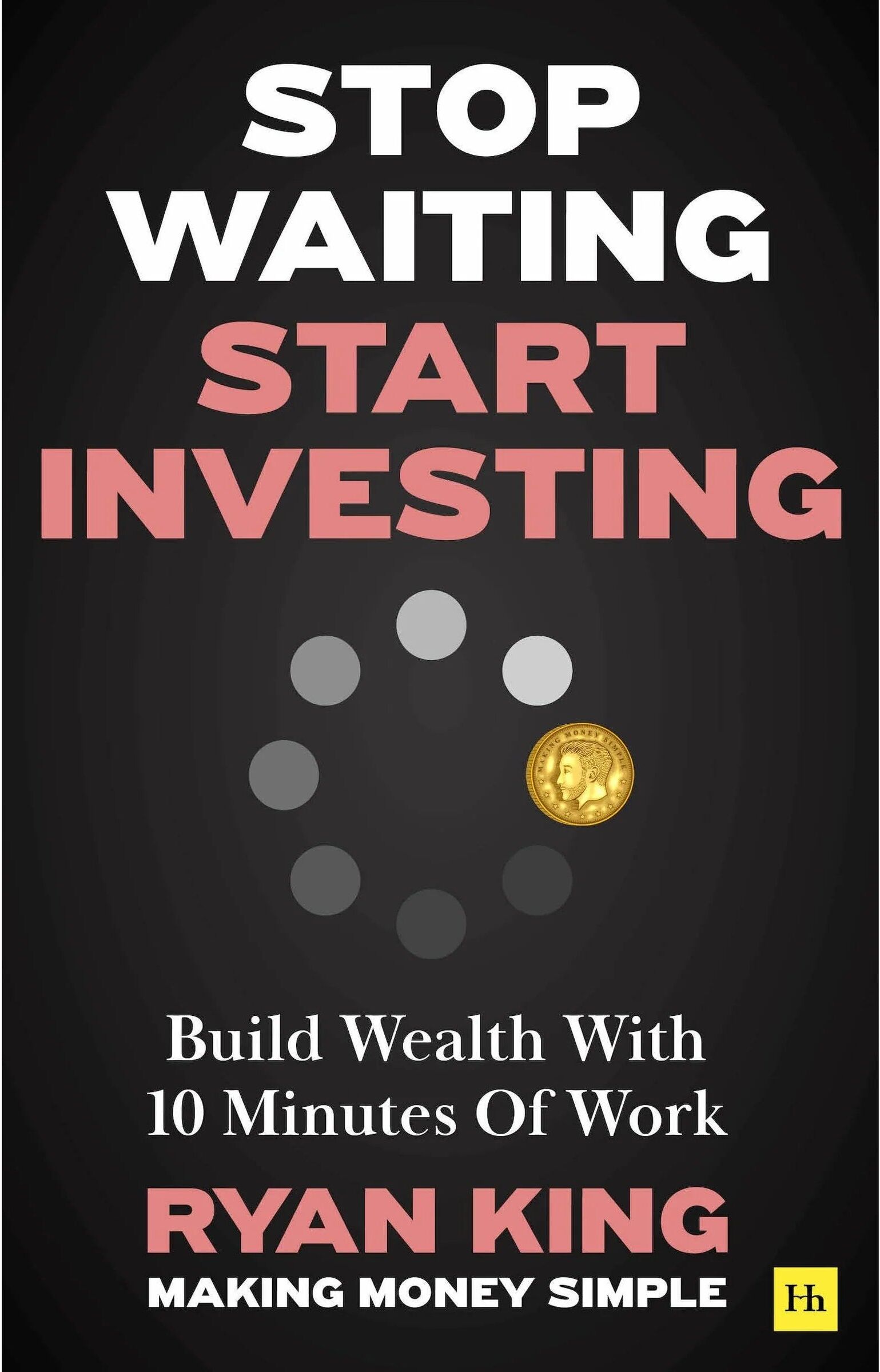
Harriman House Stop Waiting, Start Investing by Ryan King - Paperback Investing Guide - Build Wealth With 10 Minutes Of Work - Personal Finance BookBuild wealth with just 10 minutes of work a day using the stock market with this practical guide. Written by finance content creator and chartered accountant Ryan King, the book offers a simple, passive, automated approach to investing that fits around a busy life. Whether you're starting from scratch or refining an existing strategy, you'll be given the tools and confidence to take control of your financial future. This book directly addresses common hesitations about investing, guiding you step by step through the fundamentals of stock market investing in clear, accessible language. Ryan King draws on his own experience and expertise to provide a beginner-friendly guide to building long-term wealth.11,99 £*Shipping: 2,99 £Secure redirect to the provider
-
Penguin Rule #1: The Simple Strategy for Successful Investing in Only 15 Minutes a WeekPhil Town doesn't think so. He made a fortune, and in Rule #1 he'll show you how he did it.Rule #1:- Sets out the five key numbers that really count when you're buying stocks and shares- Explains how to use new Internet tools to simplify research- Shows how to exploit the advantages of being an individual investor- Demonstrates how to pay fifty pence for every pound's worth of business6,70 £*Shipping: 2,99 £Secure redirect to the provider
-
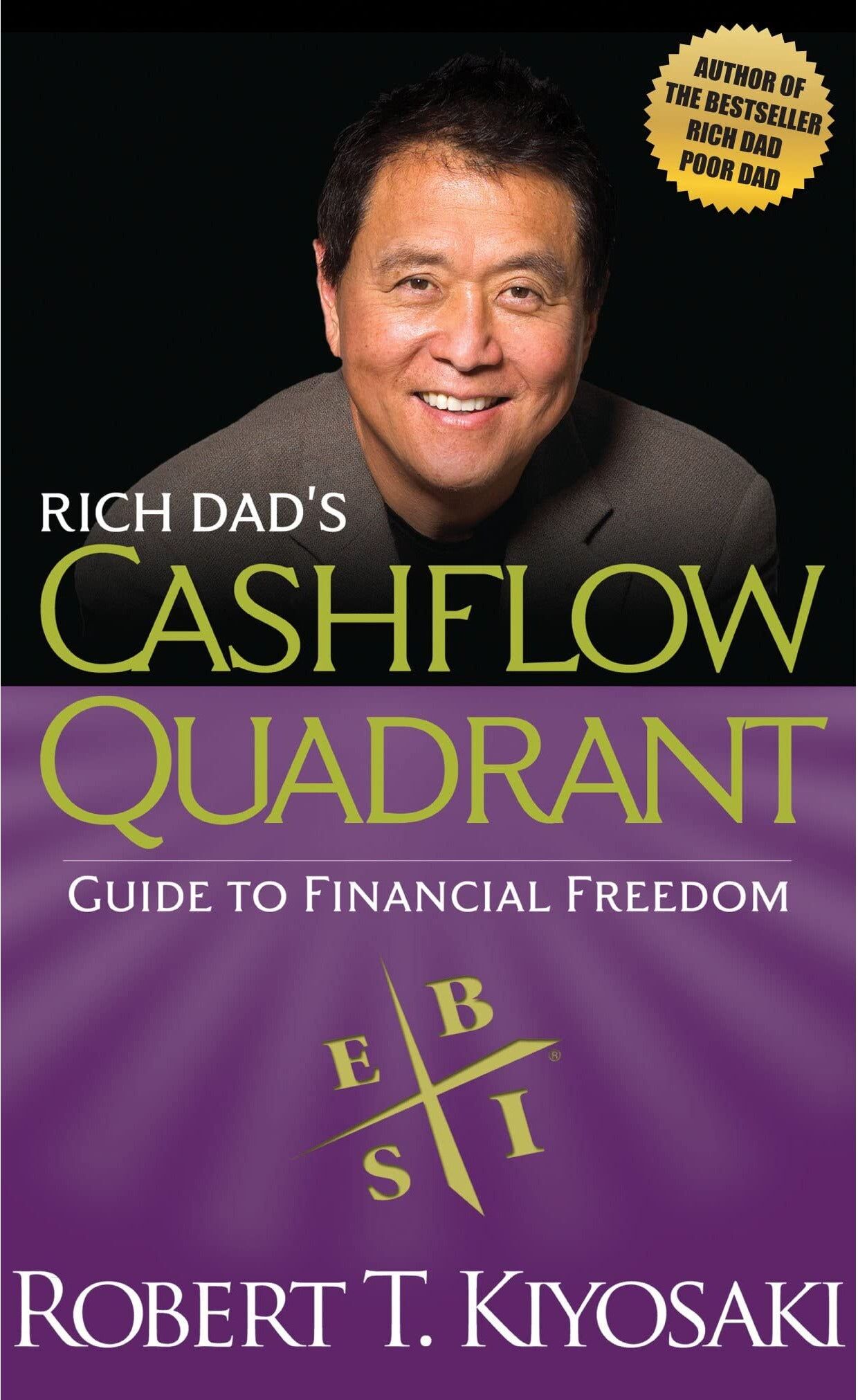
Plata Publishing Rich Dad’s Cashflow Quadrant – Robert T. Kiyosaki Guide to Financial Freedom, Investing & Wealth BuildingDiscover why some people work harder for money while others make money work for them with Rich Dad’s Cashflow Quadrant by Robert T. Kiyosaki. In this powerful follow-up to Rich Dad Poor Dad, Kiyosaki introduces the Cashflow Quadrant, a simple yet transformative framework that explains the four ways people earn income: Employee (E), Self-Employed (S), Business Owner (B), and Investor (I). The book reveals why true financial freedom is most often found on the B and I side of the quadrant. Through real-world examples and practical insights, Kiyosaki teaches readers how to shift their mindset, reduce financial risk, and build sustainable wealth through business ownership and investing. This book focuses on financial intelligence, passive income, and long-term wealth creation, rather than short-term gains. What You’ll Learn: The meaning of the Cashflow Quadrant (E, S, B, I) Why employees and self-employed people face financial limits How business owners and investors build passive income The mindset shifts required for financial independence How to move from job-based income to asset-based income Ideal for anyone serious about financial freedom, investing, and entrepreneurship, Rich Dad’s Cashflow Quadrant is a must-read personal finance classic.4,99 £*Shipping: 1,99 £Secure redirect to the provider
-
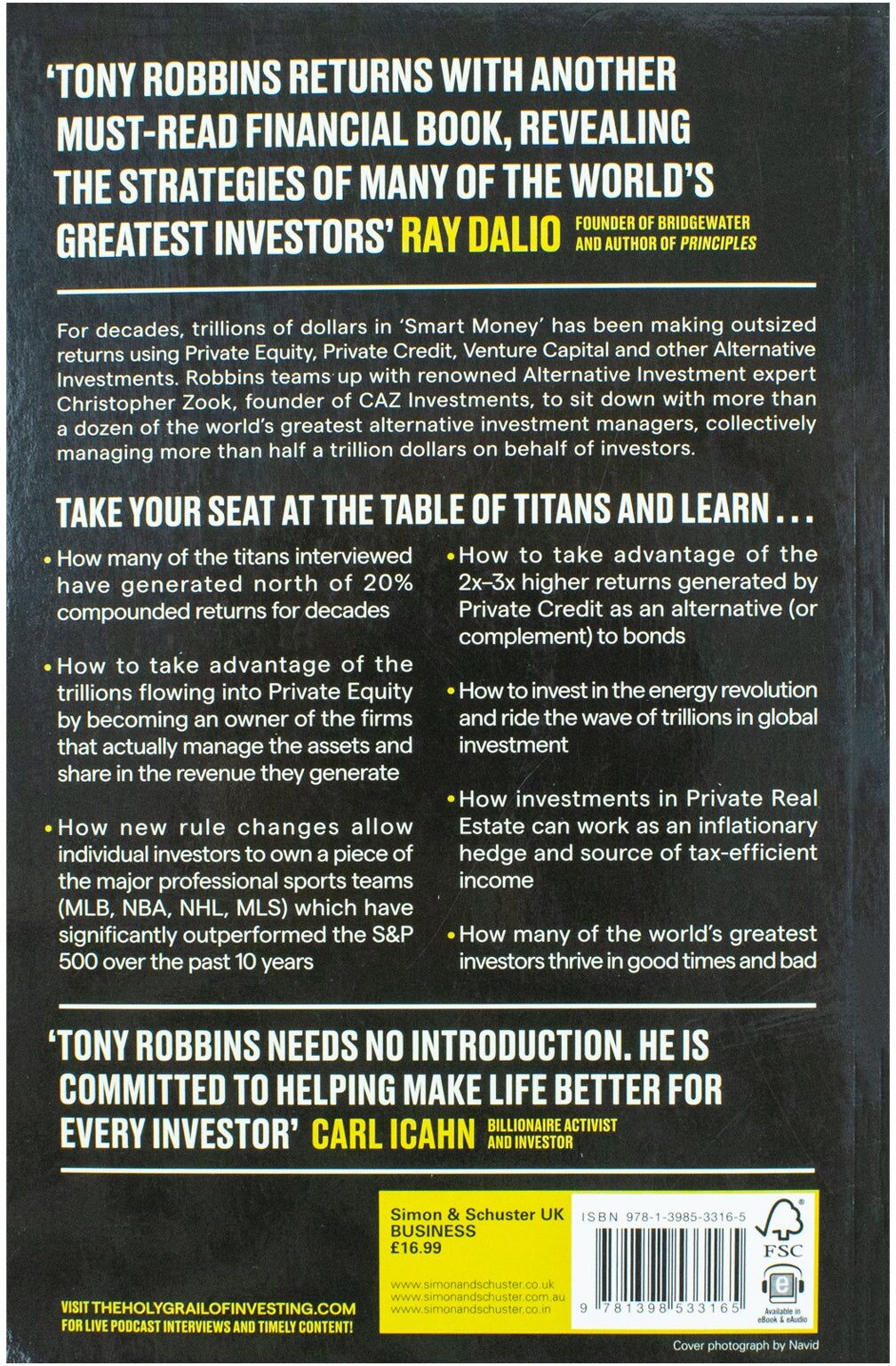
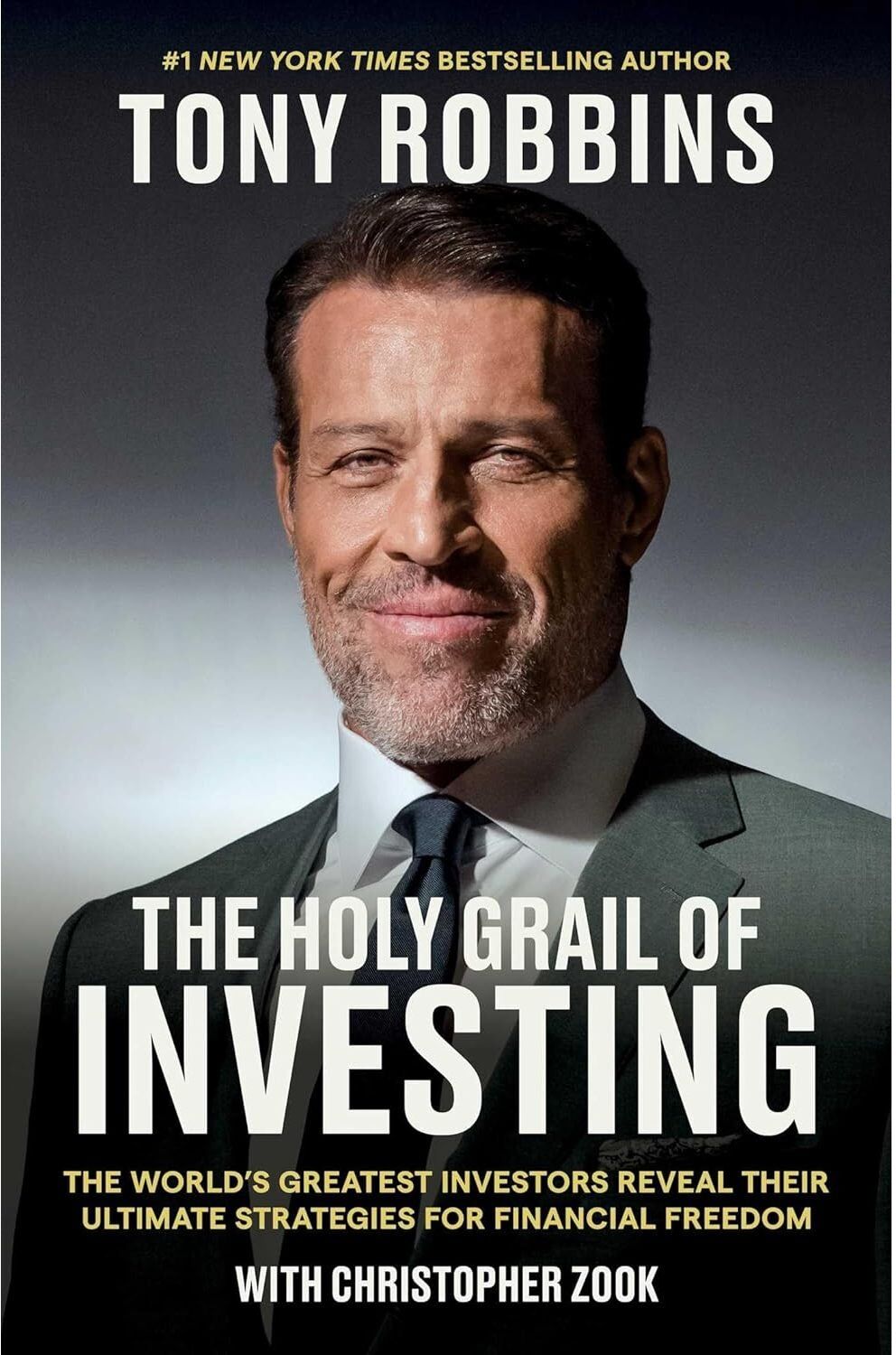
Simon & Schuster The Holy Grail of Investing: The World's Greatest Investors Reveal Their Ultimate Strategies for Financial FreedomTony Robbins, who has coached more than fifty million people from 100 countries, is the world’s #1 life and business strategist. In this new book, he teams up with Christopher Zook, a renowned financial investor who draws from thirty years of experience to round out the trilogy of #1 New York Times bestselling financial books. Together they reveal how, for decades, trillions of dollars of smart money – think of large institutions, sovereign wealth funds, individuals with ultra-high-net worth – have been making outsized returns using alternative investments in private equity, private credit, private real estate, energy and venture capital. Until recently, the vast majority of investors – those of us without insider access or eye-popping checkbooks – have been locked out of these exciting, high-yield opportunities. But there is a change underway. Alternative investments are coming to the masses, and investors need to know how to navigate their options, assess the merits of these opportunities, and determine how to best take advantage of this massive trend. In The Holy Grain of Investing, you’ll discover: Where opportunities will arise as we transition from the 'free money' era of zero interest rates to a new more realistic environment. How to take advantage of the trillions flowing into private investments by owning a piece of the firms that manage the assets. How to take advantage of private credit as an alternative (or compliment) to bonds. How and why professional sports teams have become an asset class of their own. How the renewable energy revolution will create new winners and losers. How investments in private real estate can work as an inflationary hedge. Interviews, advice, and insights from some of the world’s most formidable titans of industry, such as Howard Marks of OakTree Capital, Vinod Khosla of Khosla Capital, Barry Sternlicht of Starwood, Robert Smith of Vista, and Peter Theil of Founders Fund, among others. The market is changing, and the conventional wisdom no longer applies. Are you ready to add some fuel to your financial fire? No matter your wealth, your experience, your job, or your age, The Holy Grail of Investing will teach you everything you need to know to unleash the financial power of alternative investments.8,99 £*Shipping: 2,99 £Secure redirect to the provider

-
How should I start investing?
To start investing, it's important to first set clear financial goals and understand your risk tolerance. Next, educate yourself about different investment options such as stocks, bonds, mutual funds, and real estate. Consider seeking advice from a financial advisor to help you create a personalized investment plan. Start with a small amount of money that you can afford to invest and gradually increase your investments as you become more comfortable with the process. Lastly, be patient and stay informed about market trends and economic developments. **
-
Why do Germans hate investing?
Germans may have a more cautious approach to investing due to their historical experiences with economic instability, such as the hyperinflation of the 1920s and the economic hardships of the post-World War II era. This has led to a cultural aversion to risk and a preference for saving rather than investing. Additionally, the German financial system traditionally emphasizes stability and security, which may discourage people from taking on the perceived risks of investing in the stock market or other financial instruments. Finally, the strong social safety net in Germany may also contribute to a lower perceived need for investing for long-term financial security. **
-
Is it worth investing 129?
The worth of investing $129 depends on various factors such as your financial goals, risk tolerance, and investment horizon. If you are looking to start building a diversified investment portfolio, $129 could be a good starting point. However, it is important to research and consider the potential returns and risks associated with the investment before making a decision. Consulting with a financial advisor can also help you determine if investing $129 aligns with your overall financial plan. **
-
What are questions about investing?
Questions about investing can cover a wide range of topics, including the best investment options for different financial goals, how to diversify a portfolio, the potential risks and rewards of different investment strategies, and how to assess the performance of investments over time. Additionally, questions about investing may also involve understanding the impact of economic factors, market trends, and geopolitical events on investment opportunities. Overall, questions about investing seek to help individuals make informed decisions about how to grow and manage their wealth. **


Is it worth investing in ETFs?
Investing in ETFs can be worth it for many investors due to their low costs, diversification, and ease of trading. ETFs offer exposure to a wide range of assets, such as stocks, bonds, and commodities, allowing for diversification within a single investment. Additionally, ETFs typically have lower expense ratios compared to mutual funds, making them a cost-effective investment option. Furthermore, ETFs can be traded throughout the day, providing liquidity and flexibility for investors. However, it's important to carefully consider your investment goals and risk tolerance before investing in ETFs. **
Is it worth investing in SSO?
Investing in SSO (Single Sign-On) can be worth it for organizations looking to improve security, streamline access management, and enhance user experience. SSO can help reduce the risk of password-related security breaches, simplify the login process for users, and increase productivity by allowing seamless access to multiple applications with a single set of credentials. Additionally, SSO can also lower administrative overhead by centralizing user access management. However, the decision to invest in SSO should be carefully evaluated based on the specific needs and goals of the organization. **
Top-Angebote
Products related to Investing:
-
Plata Publishing Rich Dad's Guide to Investing: What the Rich Invest In by Robert T. Kiyosaki - Paperback Personal Finance & Investing BookRich Dad's Guide to Investing: What the Rich Invest In is Robert T. Kiyosaki's essential companion to Rich Dad Poor Dad. This book takes readers deeper into the mindset and mechanics of building real wealth, focusing on active investing and how ordinary people can adopt the habits of the wealthy to escape the paycheck cycle. At the heart of this book is a simple but powerful distinction: passive investing versus active investing. Kiyosaki argues that true financial freedom comes from becoming an engaged investor who takes control of their financial future. This paperback is a valuable resource for anyone ready to move beyond saving and into investing, whether a beginner or someone already dabbling in stocks and property. Published by Plata Publishing, this book is aimed at adults and is a great companion to Rich Dad Poor Dad.10,99 £*Shipping: 2,99 £Secure redirect to the provider
-
Simon & Schuster UK The Holy Grail of Investing by Tony Robbins & Christopher Zook - Paperback - Financial Freedom Series - Private Markets Investing GuideJoin Tony Robbins and veteran investor Christopher Zook in their book, The Holy Grail of Investing, a comprehensive guide to the private markets used by the world's wealthiest institutions. Drawing on interviews with notable investors such as Howard Marks, Vinod Khosla, and Robert Smith, the book explores private equity, private credit, real estate, and venture capital. This book is part of the Tony Robbins Financial Freedom series and offers a practical, evidence-based guide for building a resilient portfolio. For decades, trillions of dollars of 'smart money' has quietly outperformed public markets through alternative investments. Robbins and Zook aim to demystify this world for everyday readers, blending investor profiles and historical insights to provide a deeper understanding of the private markets.8,99 £*Shipping: 2,99 £Secure redirect to the provider
-
Harriman House Stop Waiting, Start Investing by Ryan King - Paperback Investing Guide - Build Wealth With 10 Minutes Of Work - Personal Finance BookBuild wealth with just 10 minutes of work a day using the stock market with this practical guide. Written by finance content creator and chartered accountant Ryan King, the book offers a simple, passive, automated approach to investing that fits around a busy life. Whether you're starting from scratch or refining an existing strategy, you'll be given the tools and confidence to take control of your financial future. This book directly addresses common hesitations about investing, guiding you step by step through the fundamentals of stock market investing in clear, accessible language. Ryan King draws on his own experience and expertise to provide a beginner-friendly guide to building long-term wealth.11,99 £*Shipping: 2,99 £Secure redirect to the provider
-
Penguin Rule #1: The Simple Strategy for Successful Investing in Only 15 Minutes a WeekPhil Town doesn't think so. He made a fortune, and in Rule #1 he'll show you how he did it.Rule #1:- Sets out the five key numbers that really count when you're buying stocks and shares- Explains how to use new Internet tools to simplify research- Shows how to exploit the advantages of being an individual investor- Demonstrates how to pay fifty pence for every pound's worth of business6,70 £*Shipping: 2,99 £Secure redirect to the provider
-
How does investing in bonds differ from investing in a bank account?
Investing in bonds involves purchasing debt securities issued by governments or corporations, which pay a fixed interest rate over a specified period of time. In contrast, investing in a bank account typically involves depositing money into a savings or checking account, where it earns a variable interest rate set by the bank. Bonds generally offer higher potential returns than bank accounts, but they also carry a higher level of risk. Additionally, bonds have a maturity date, while bank accounts provide more immediate access to funds. **
-
Are TV and radio stations obligated to broadcast news?
TV and radio stations are not legally obligated to broadcast news, but many choose to do so as part of their commitment to serving the public interest. In some countries, there may be regulations or licensing requirements that mandate a certain amount of news programming, but this varies by jurisdiction. Ultimately, the decision to include news in their programming is up to the individual stations and their management. **
-
How should I start investing?
To start investing, it's important to first set clear financial goals and understand your risk tolerance. Next, educate yourself about different investment options such as stocks, bonds, mutual funds, and real estate. Consider seeking advice from a financial advisor to help you create a personalized investment plan. Start with a small amount of money that you can afford to invest and gradually increase your investments as you become more comfortable with the process. Lastly, be patient and stay informed about market trends and economic developments. **
-
Why do Germans hate investing?
Germans may have a more cautious approach to investing due to their historical experiences with economic instability, such as the hyperinflation of the 1920s and the economic hardships of the post-World War II era. This has led to a cultural aversion to risk and a preference for saving rather than investing. Additionally, the German financial system traditionally emphasizes stability and security, which may discourage people from taking on the perceived risks of investing in the stock market or other financial instruments. Finally, the strong social safety net in Germany may also contribute to a lower perceived need for investing for long-term financial security. **
Similar search terms for Investing
-
Plata Publishing Rich Dad’s Cashflow Quadrant – Robert T. Kiyosaki Guide to Financial Freedom, Investing & Wealth BuildingDiscover why some people work harder for money while others make money work for them with Rich Dad’s Cashflow Quadrant by Robert T. Kiyosaki. In this powerful follow-up to Rich Dad Poor Dad, Kiyosaki introduces the Cashflow Quadrant, a simple yet transformative framework that explains the four ways people earn income: Employee (E), Self-Employed (S), Business Owner (B), and Investor (I). The book reveals why true financial freedom is most often found on the B and I side of the quadrant. Through real-world examples and practical insights, Kiyosaki teaches readers how to shift their mindset, reduce financial risk, and build sustainable wealth through business ownership and investing. This book focuses on financial intelligence, passive income, and long-term wealth creation, rather than short-term gains. What You’ll Learn: The meaning of the Cashflow Quadrant (E, S, B, I) Why employees and self-employed people face financial limits How business owners and investors build passive income The mindset shifts required for financial independence How to move from job-based income to asset-based income Ideal for anyone serious about financial freedom, investing, and entrepreneurship, Rich Dad’s Cashflow Quadrant is a must-read personal finance classic.4,99 £*Shipping: 1,99 £Secure redirect to the provider
-
Simon & Schuster The Holy Grail of Investing: The World's Greatest Investors Reveal Their Ultimate Strategies for Financial FreedomTony Robbins, who has coached more than fifty million people from 100 countries, is the world’s #1 life and business strategist. In this new book, he teams up with Christopher Zook, a renowned financial investor who draws from thirty years of experience to round out the trilogy of #1 New York Times bestselling financial books. Together they reveal how, for decades, trillions of dollars of smart money – think of large institutions, sovereign wealth funds, individuals with ultra-high-net worth – have been making outsized returns using alternative investments in private equity, private credit, private real estate, energy and venture capital. Until recently, the vast majority of investors – those of us without insider access or eye-popping checkbooks – have been locked out of these exciting, high-yield opportunities. But there is a change underway. Alternative investments are coming to the masses, and investors need to know how to navigate their options, assess the merits of these opportunities, and determine how to best take advantage of this massive trend. In The Holy Grain of Investing, you’ll discover: Where opportunities will arise as we transition from the 'free money' era of zero interest rates to a new more realistic environment. How to take advantage of the trillions flowing into private investments by owning a piece of the firms that manage the assets. How to take advantage of private credit as an alternative (or compliment) to bonds. How and why professional sports teams have become an asset class of their own. How the renewable energy revolution will create new winners and losers. How investments in private real estate can work as an inflationary hedge. Interviews, advice, and insights from some of the world’s most formidable titans of industry, such as Howard Marks of OakTree Capital, Vinod Khosla of Khosla Capital, Barry Sternlicht of Starwood, Robert Smith of Vista, and Peter Theil of Founders Fund, among others. The market is changing, and the conventional wisdom no longer applies. Are you ready to add some fuel to your financial fire? No matter your wealth, your experience, your job, or your age, The Holy Grail of Investing will teach you everything you need to know to unleash the financial power of alternative investments.8,99 £*Shipping: 2,99 £Secure redirect to the provider
-
Simon & Schuster One Up On Wall Street by Peter Lynch & John Rothchild - Paperback Investing Guide - Bestselling Personal Finance ClassicOne Up On Wall Street by Peter Lynch is a classic investing guide that shows everyday people how to spot winning stocks using knowledge they already have from daily life. Written with John Rothchild, this book distills Lynch's legendary track record as manager of Fidelity's Magellan Fund into plain-English strategies. It remains one of the most recommended personal finance books for beginners and seasoned investors alike, prized for its accessible tone and enduring relevance in any market climate. Peter Lynch built one of the greatest investment records in history by trusting instincts formed at the supermarket, the mall, and the workplace rather than complex Wall Street models. In this book, he lays out the reasoning behind that approach, explaining how amateur investors can actually hold an edge over professional fund managers simply by paying attention to the world around them.3,99 £*Shipping: 2,99 £Secure redirect to the provider
-
Plata Publishing Rich Dad Classics Boxed Set by Robert T. Kiyosaki - Paperback 3 Book Set - Personal Finance & Investing CollectionThis collection of three influential personal finance titles by Robert T. Kiyosaki brings together foundational money mindset shifts and practical investing strategies. The set includes Rich Dad Poor Dad, The Cash Flow Quadrant, and Rich Dad's Guide to Investing. Written in a clear and accessible style, these books are ideal for anyone starting their financial education journey or looking to upgrade their understanding of wealth-building, cash flow, and financial independence. The books are in a new condition, published by Plata Publishing, and are available in paperback format.11,89 £*Shipping: 2,99 £Secure redirect to the provider
-
Is it worth investing 129?
The worth of investing $129 depends on various factors such as your financial goals, risk tolerance, and investment horizon. If you are looking to start building a diversified investment portfolio, $129 could be a good starting point. However, it is important to research and consider the potential returns and risks associated with the investment before making a decision. Consulting with a financial advisor can also help you determine if investing $129 aligns with your overall financial plan. **
-
What are questions about investing?
Questions about investing can cover a wide range of topics, including the best investment options for different financial goals, how to diversify a portfolio, the potential risks and rewards of different investment strategies, and how to assess the performance of investments over time. Additionally, questions about investing may also involve understanding the impact of economic factors, market trends, and geopolitical events on investment opportunities. Overall, questions about investing seek to help individuals make informed decisions about how to grow and manage their wealth. **
-
Is it worth investing in ETFs?
Investing in ETFs can be worth it for many investors due to their low costs, diversification, and ease of trading. ETFs offer exposure to a wide range of assets, such as stocks, bonds, and commodities, allowing for diversification within a single investment. Additionally, ETFs typically have lower expense ratios compared to mutual funds, making them a cost-effective investment option. Furthermore, ETFs can be traded throughout the day, providing liquidity and flexibility for investors. However, it's important to carefully consider your investment goals and risk tolerance before investing in ETFs. **
-
Is it worth investing in SSO?
Investing in SSO (Single Sign-On) can be worth it for organizations looking to improve security, streamline access management, and enhance user experience. SSO can help reduce the risk of password-related security breaches, simplify the login process for users, and increase productivity by allowing seamless access to multiple applications with a single set of credentials. Additionally, SSO can also lower administrative overhead by centralizing user access management. However, the decision to invest in SSO should be carefully evaluated based on the specific needs and goals of the organization. **
* All prices are inclusive of VAT and, if applicable, plus shipping costs. The offer information is based on the details provided by the respective shop and is updated through automated processes. Real-time updates do not occur, so deviations can occur in individual cases. ** Note: Parts of this content were created by AI.