Buy wnuj.com ?
We are moving the project
wnuj.com .
Are you interested in purchasing the domain
wnuj.com ?
domain@kv-gmbh.de · 0541-91531010
Buy wnuj.com ?
What is better for aquariums: float glass or white glass?
Float glass is generally better for aquariums because it is more transparent and has fewer imperfections than white glass. This allows for better visibility into the aquarium and a more aesthetically pleasing display. Additionally, float glass is typically stronger and more durable, making it less likely to crack or break under the pressure of the water. Overall, float glass is the preferred choice for aquarium construction. **
What is the white film on the aquarium glass?
The white film on the aquarium glass is most likely a buildup of mineral deposits, algae, or bacteria. This can occur due to a variety of factors such as high levels of dissolved minerals in the water, inadequate cleaning, or excessive nutrients in the water. Regular maintenance and cleaning of the aquarium, including scrubbing the glass and performing water changes, can help prevent the buildup of this film. Using a water conditioner and maintaining proper water parameters can also help reduce the likelihood of this film forming. **

Similar search terms for NUDE-Glass-Vinifera-White
Top-Angebote
Products related to NUDE-Glass-Vinifera-White:
-
Erbenobili Vitis Vinifera Phytoblast 50 mlNutrition and Supplements Natural Extracts Erbenobili Vitis Vinifera Phytoblast 50 ml Food supplement based on red vine indicated to promote the functionality of microcirculation. How to use: 20 - 30 drops 2 times a day diluted in water, preferably outside of meals. Warnings Contraindicated in case of hypersensitivity to one of the components. Food supplements are not intended to replace a varied and balanced diet or a healthy lifestyle.7,30 £*Shipping: 3,99 £Secure redirect to the provider
-
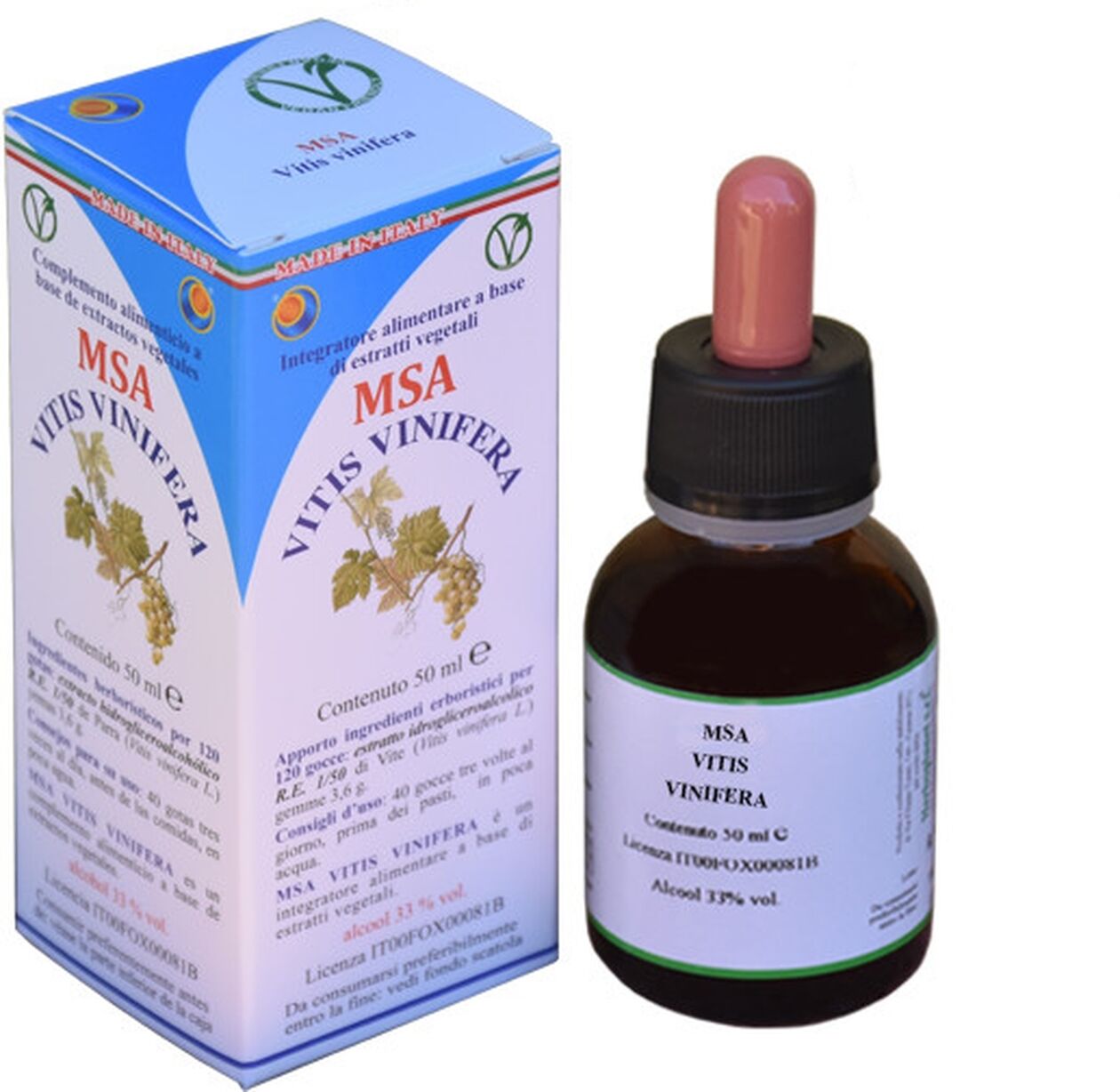
Herboplanet Msa Vitis Vinifera Young Shoots 50 mlNutrition and Supplements Natural Extracts Herboplanet Msa Vitis Vinifera Young Shoots 50 ml Contributes to the conservation of cartilage. \ Organotropism: osteoarticular apparatus, Reticuloendothelial System (RES), tonsils, pharynx. Instructions for use: Take 25-40 drops in a little water, 3 times a day.10,50 £*Shipping: 3,99 £Secure redirect to the provider


-
Which container does white, non-transparent glass belong in?
White, non-transparent glass belongs in the container designated for clear glass recycling. While it may not be transparent, white glass is still considered clear glass and should be separated from other types of glass for recycling purposes. It is important to follow local recycling guidelines to ensure that the glass is properly sorted and recycled. **
-
Are TV and radio stations obligated to broadcast news?
TV and radio stations are not legally obligated to broadcast news, but many choose to do so as part of their commitment to serving the public interest. In some countries, there may be regulations or licensing requirements that mandate a certain amount of news programming, but this varies by jurisdiction. Ultimately, the decision to include news in their programming is up to the individual stations and their management. **
-
What are white-yellow sticky eggs on a glass door?
White-yellow sticky eggs on a glass door are likely to be insect eggs, such as those of a praying mantis or a lacewing. These eggs are often laid in clusters and have a sticky texture to help them adhere to surfaces. Once the eggs hatch, they will release young insects that will feed on pests in the area. **
-
What are those small white circles on the aquarium glass?
The small white circles on the aquarium glass are most likely deposits of calcium or other minerals that have built up over time. These deposits can be caused by hard water or by excess nutrients in the water. They are generally harmless but can be unsightly. Regular cleaning and maintenance of the aquarium can help prevent the buildup of these deposits. **

What are the white, shrinking things on the aquarium glass?
The white, shrinking things on the aquarium glass are most likely a type of algae known as white spot algae or diatoms. Diatoms are common in newly established aquariums or aquariums with low light levels. They can be easily wiped off the glass with a sponge or algae scraper during regular aquarium maintenance. To prevent their growth, it is important to maintain proper lighting, water quality, and a balanced nutrient level in the aquarium. **
What are the white, contracting things on the aquarium glass?
The white, contracting things on the aquarium glass are most likely a type of marine organism called aiptasia anemones. These anemones are often considered pests in aquariums because they can multiply rapidly and sting other corals, causing harm to the overall ecosystem. They are often difficult to remove and may require special treatment or the introduction of natural predators to control their population. Regular maintenance and monitoring of the aquarium can help prevent the spread of aiptasia anemones. **
Top-Angebote
Products related to NUDE-Glass-Vinifera-White:
-
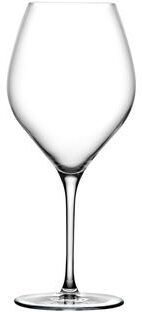
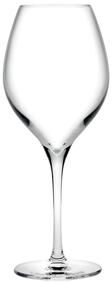
NUDE Glass Vinifera White Wine Set of 2The Vinifera collection by NUDE brings every bottle to its full potential. Conceived to intensify the aromas and flavours of white wines, this crystalline duo presents an extraordinarily thin stem and a sumptuous bowl with a capacity of 600 cc.35,00 $*Shipping: 0,00 $Secure redirect to the provider
-
Erbenobili Vitis Vinifera Phytoblast 50 mlNutrition and Supplements Natural Extracts Erbenobili Vitis Vinifera Phytoblast 50 ml Food supplement based on red vine indicated to promote the functionality of microcirculation. How to use: 20 - 30 drops 2 times a day diluted in water, preferably outside of meals. Warnings Contraindicated in case of hypersensitivity to one of the components. Food supplements are not intended to replace a varied and balanced diet or a healthy lifestyle.7,30 £*Shipping: 3,99 £Secure redirect to the provider
-
What is better for aquariums: float glass or white glass?
Float glass is generally better for aquariums because it is more transparent and has fewer imperfections than white glass. This allows for better visibility into the aquarium and a more aesthetically pleasing display. Additionally, float glass is typically stronger and more durable, making it less likely to crack or break under the pressure of the water. Overall, float glass is the preferred choice for aquarium construction. **
-
What is the white film on the aquarium glass?
The white film on the aquarium glass is most likely a buildup of mineral deposits, algae, or bacteria. This can occur due to a variety of factors such as high levels of dissolved minerals in the water, inadequate cleaning, or excessive nutrients in the water. Regular maintenance and cleaning of the aquarium, including scrubbing the glass and performing water changes, can help prevent the buildup of this film. Using a water conditioner and maintaining proper water parameters can also help reduce the likelihood of this film forming. **
-
Which container does white, non-transparent glass belong in?
White, non-transparent glass belongs in the container designated for clear glass recycling. While it may not be transparent, white glass is still considered clear glass and should be separated from other types of glass for recycling purposes. It is important to follow local recycling guidelines to ensure that the glass is properly sorted and recycled. **
-
Are TV and radio stations obligated to broadcast news?
TV and radio stations are not legally obligated to broadcast news, but many choose to do so as part of their commitment to serving the public interest. In some countries, there may be regulations or licensing requirements that mandate a certain amount of news programming, but this varies by jurisdiction. Ultimately, the decision to include news in their programming is up to the individual stations and their management. **
Similar search terms for NUDE-Glass-Vinifera-White
-
Herboplanet Msa Vitis Vinifera Young Shoots 50 mlNutrition and Supplements Natural Extracts Herboplanet Msa Vitis Vinifera Young Shoots 50 ml Contributes to the conservation of cartilage. \ Organotropism: osteoarticular apparatus, Reticuloendothelial System (RES), tonsils, pharynx. Instructions for use: Take 25-40 drops in a little water, 3 times a day.10,50 £*Shipping: 3,99 £Secure redirect to the provider
-
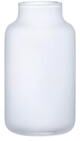
NUDE Glass Mini Magnolia Vase Opal WhiteA balance of function and aesthetics, this NUDE Magnolia Mini vase manages to be both classic and innovative. Tradition is honoured in its simple, well-defined shape, while the inventive edge comes in the form of colour — here, opal white.55,00 $*Shipping: 0,00 $Secure redirect to the provider
-
What are white-yellow sticky eggs on a glass door?
White-yellow sticky eggs on a glass door are likely to be insect eggs, such as those of a praying mantis or a lacewing. These eggs are often laid in clusters and have a sticky texture to help them adhere to surfaces. Once the eggs hatch, they will release young insects that will feed on pests in the area. **
-
What are those small white circles on the aquarium glass?
The small white circles on the aquarium glass are most likely deposits of calcium or other minerals that have built up over time. These deposits can be caused by hard water or by excess nutrients in the water. They are generally harmless but can be unsightly. Regular cleaning and maintenance of the aquarium can help prevent the buildup of these deposits. **
-
What are the white, shrinking things on the aquarium glass?
The white, shrinking things on the aquarium glass are most likely a type of algae known as white spot algae or diatoms. Diatoms are common in newly established aquariums or aquariums with low light levels. They can be easily wiped off the glass with a sponge or algae scraper during regular aquarium maintenance. To prevent their growth, it is important to maintain proper lighting, water quality, and a balanced nutrient level in the aquarium. **
-
What are the white, contracting things on the aquarium glass?
The white, contracting things on the aquarium glass are most likely a type of marine organism called aiptasia anemones. These anemones are often considered pests in aquariums because they can multiply rapidly and sting other corals, causing harm to the overall ecosystem. They are often difficult to remove and may require special treatment or the introduction of natural predators to control their population. Regular maintenance and monitoring of the aquarium can help prevent the spread of aiptasia anemones. **
* All prices are inclusive of VAT and, if applicable, plus shipping costs. The offer information is based on the details provided by the respective shop and is updated through automated processes. Real-time updates do not occur, so deviations can occur in individual cases. ** Note: Parts of this content were created by AI.